
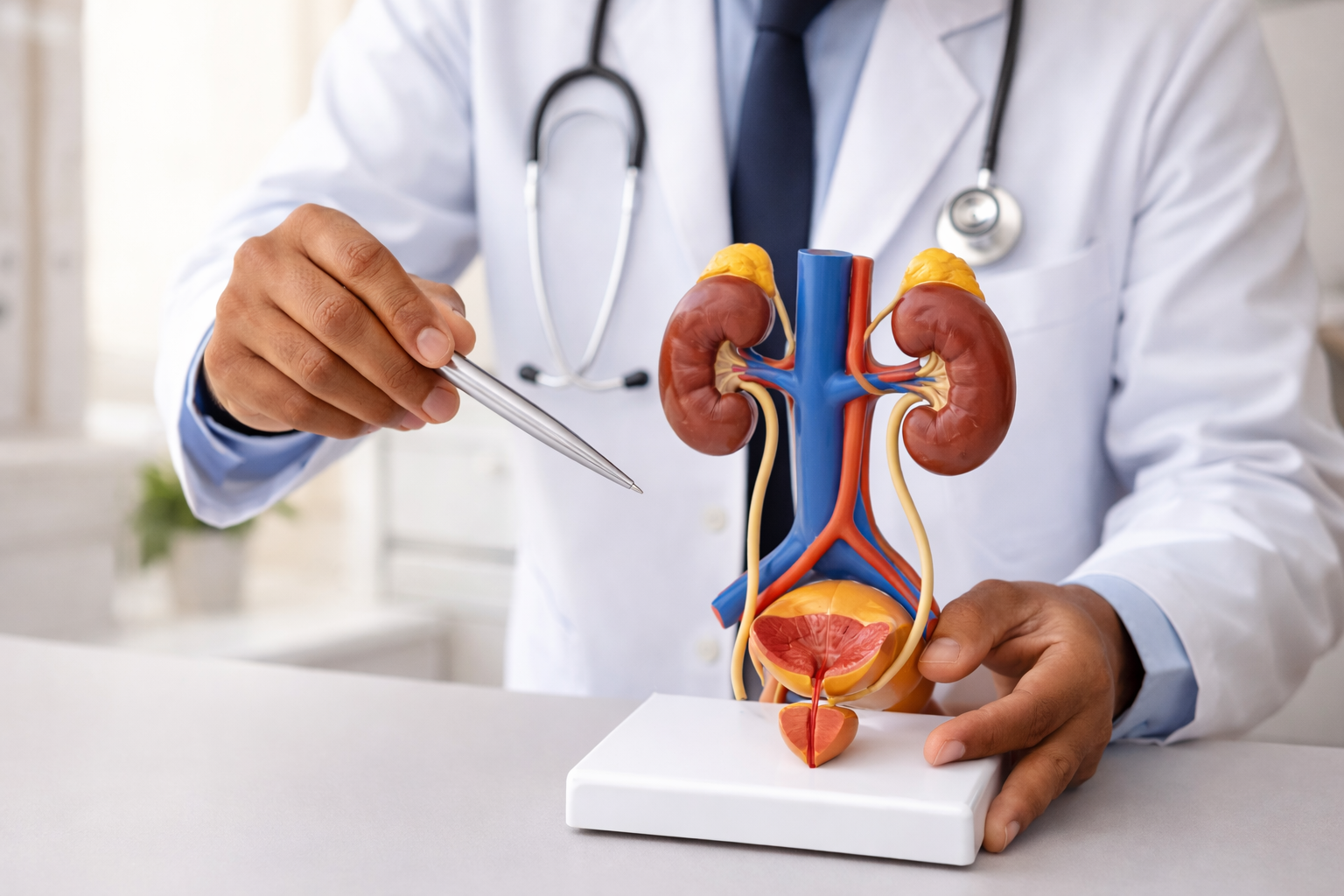
Urological Conditions & Specialist Assessment
I assess and treat a wide range of urological conditions affecting the kidneys, prostate, and urinary tract. Many symptoms — such as blood in the urine, an elevated PSA level, or urinary difficulties — require specialist evaluation to determine the cause and whether treatment is needed.
My practice focuses particularly on prostate and kidney cancer, minimally invasive robotic surgery, and the investigation of urological cancer and urinary conditions. Each patient receives an individual assessment with clear guidance on investigations, treatment options, and expected recovery. Consultations are available for both new diagnoses and second opinions.

Select a condition to learn more
I manage a broad range of urological conditions, with particular expertise in robotic and minimally invasive surgery. Select a condition below to learn more about symptoms, investigation, and treatment options.
Important: Blood in urine should always be investigated promptly. Although it is often caused by benign conditions, it can be an early sign of bladder or kidney cancer. A specialist assessment allows causes to be identified and excluded quickly. If you have noticed blood in your urine, do not wait — book an appointment or contact us today.
I offer a structured, guideline-based haematuria clinic including urine tests, imaging, and flexible cystoscopy to investigate the bladder and upper urinary tract.
Learn more about haematuria →Important: A raised PSA does not always mean cancer — but it should never be ignored. Early specialist assessment can detect prostate cancer at a stage when treatment is most effective. If your GP has flagged an elevated PSA, prompt referral to a urologist is essential.
PSA (prostate-specific antigen) is a blood marker that can be elevated for a number of reasons, including prostate cancer, benign prostate enlargement, infection, or inflammation. I offer expert assessment of raised PSA, including multiparametric MRI prostate and targeted transperineal biopsy where indicated, to provide an accurate and timely diagnosis.
Learn more about raised PSA →Important: Prostate cancer is the most common cancer in men in the UK. When diagnosed and treated early, outcomes are excellent. If you have been diagnosed with prostate cancer or are awaiting biopsy results, specialist review should not be delayed.
I provide comprehensive care for prostate cancer, from accurate diagnosis through to definitive surgical treatment. I specialise in nerve-sparing robotic-assisted radical prostatectomy, which offers excellent cancer control alongside the best possible preservation of urinary and sexual function. I work closely with oncologists and radiologists as part of a multidisciplinary team to ensure each patient receives the most appropriate treatment for their individual circumstances.
Learn more about prostate cancer →Important: Kidney cancer is increasingly detected incidentally on scans, often before symptoms develop. Early surgical treatment offers the best chance of cure. If you have been told a kidney lesion or mass has been found, specialist review is strongly advised.
I have subspecialist expertise in the surgical treatment of kidney cancer, with a particular focus on nephron-sparing surgery — preserving as much healthy kidney tissue as possible. I am among a select group of UK surgeons performing high-volume robotic retroperitoneal partial nephrectomy, including for complex and challenging tumours. This approach offers patients excellent oncological outcomes alongside faster recovery and reduced surgical risk.
Learn more about kidney cancer →Important: Obstruction to the flow of urine from the kidney can cause pain, recurrent infections, and — if left untreated — progressive kidney damage. Specialist surgical review is essential if obstruction has been identified on imaging or suspected from symptoms.
Pelvi-ureteric junction (PUJ) obstruction and ureteric stricture are conditions in which the drainage of urine from the kidney to the bladder is impaired. I offer robotic-assisted pyeloplasty and ureteric reconstruction for these conditions, using minimally invasive techniques that achieve excellent long-term results with reduced recovery times. Treatment is tailored to the site and cause of obstruction, informed by detailed functional imaging.
Learn more about PUJ obstruction and ureteric stricture →Important: An enlarged prostate is a common and treatable condition. Left unmanaged, it can cause progressively worsening urinary symptoms and, in some cases, complications such as urinary retention or kidney damage. Early assessment and treatment can significantly improve quality of life.
Benign prostatic hyperplasia (BPH) causes the prostate gland to enlarge with age, leading to difficulties passing urine, frequency, urgency, and disrupted sleep. I offer the full range of treatments for BPH — from medical management through to minimally invasive and laser surgical options, including Rezum, Greenlight laser prostatectomy, Holmium laser enucleation (HoLEP), and TURP — tailored to your symptoms, prostate size, and personal priorities.
Learn more about prostate enlargement →Important: Urinary symptoms and incontinence are common but often under-reported — many patients wait years before seeking help. Effective treatments are available. There is no need to simply cope with these symptoms.
Lower urinary tract symptoms (LUTS) affect both men and women and include urinary urgency, frequency, nocturia (waking at night to pass urine), poor flow, and incontinence. I provide thorough assessment of both stress and urgency urinary incontinence, including urodynamic studies where required, and offer access to the latest medical, minimally invasive, and surgical treatments — including robotic functional reconstruction for complex cases.
Learn more about LUTS and incontinence →Important: Vasectomy is a highly effective and permanent form of contraception. It is a straightforward procedure when performed by an experienced surgeon, but the decision to proceed should be made with care — reversal, while possible, cannot be guaranteed to restore fertility.
I offer vasectomy under local and general anaesthetic as a day-case procedure, using minimally invasive technique that minimises discomfort and recovery time. All patients receive a thorough pre-operative consultation to discuss the procedure and what to expect on the day. A post-operative semen analysis is required to confirm success. Both self-pay and insured patients are welcome.
Learn more about vasectomy →Important: Recurrent UTIs are not something patients should simply accept as normal. In some cases, an underlying structural or functional cause is present. Specialist assessment can identify and treat these causes, reducing the frequency of infection and the need for repeated antibiotic courses.
Recurrent urinary tract infections (UTIs) — defined as two or more infections in six months or three or more in a year — warrant specialist investigation to exclude underlying causes such as bladder stones, incomplete bladder emptying, anatomical abnormalities, or, rarely, bladder tumours. I offer a structured assessment including urine cultures, imaging, and cystoscopy, alongside evidence-based strategies to reduce recurrence.
Learn more about recurrent UTIs →How urological conditions are diagnosed
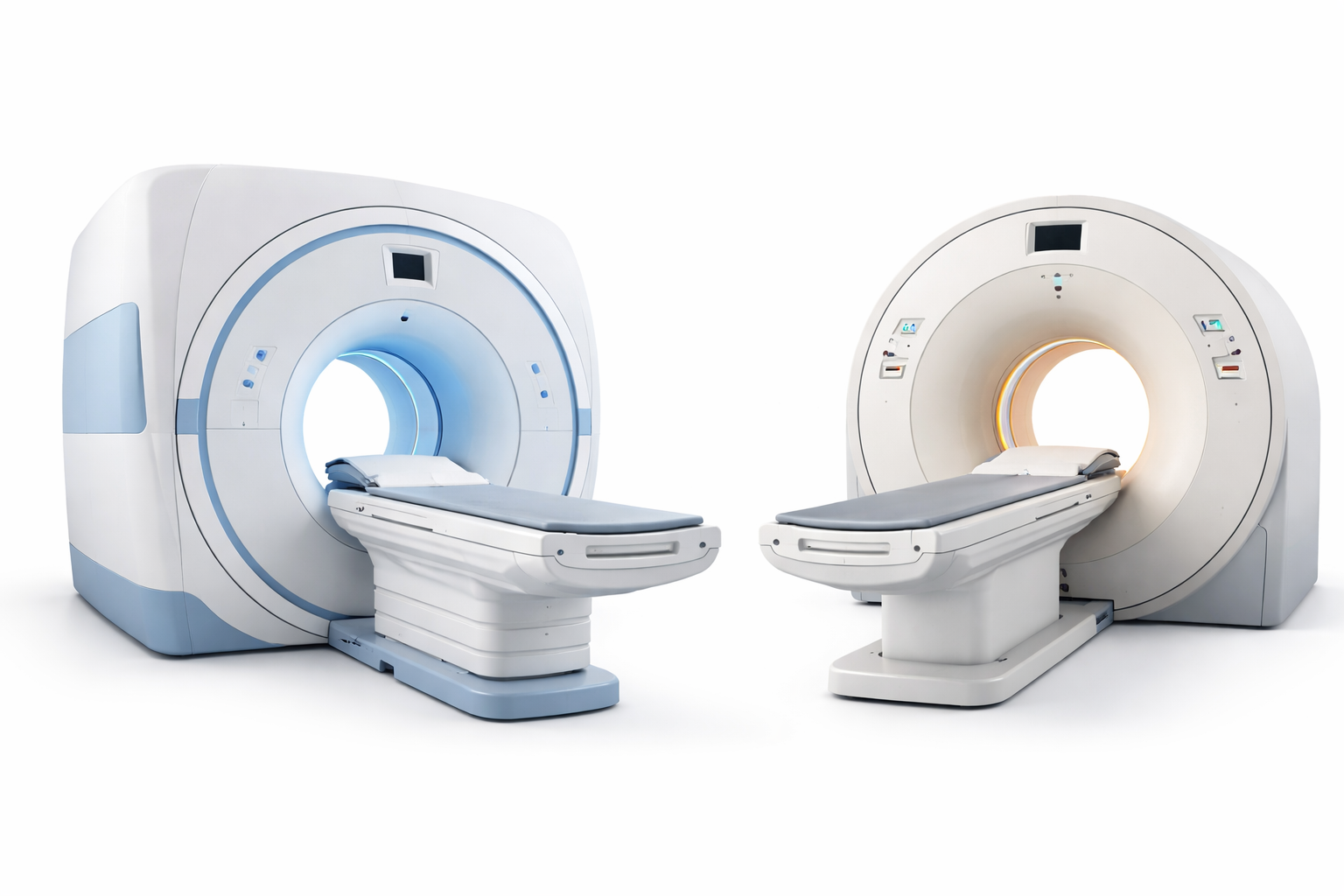
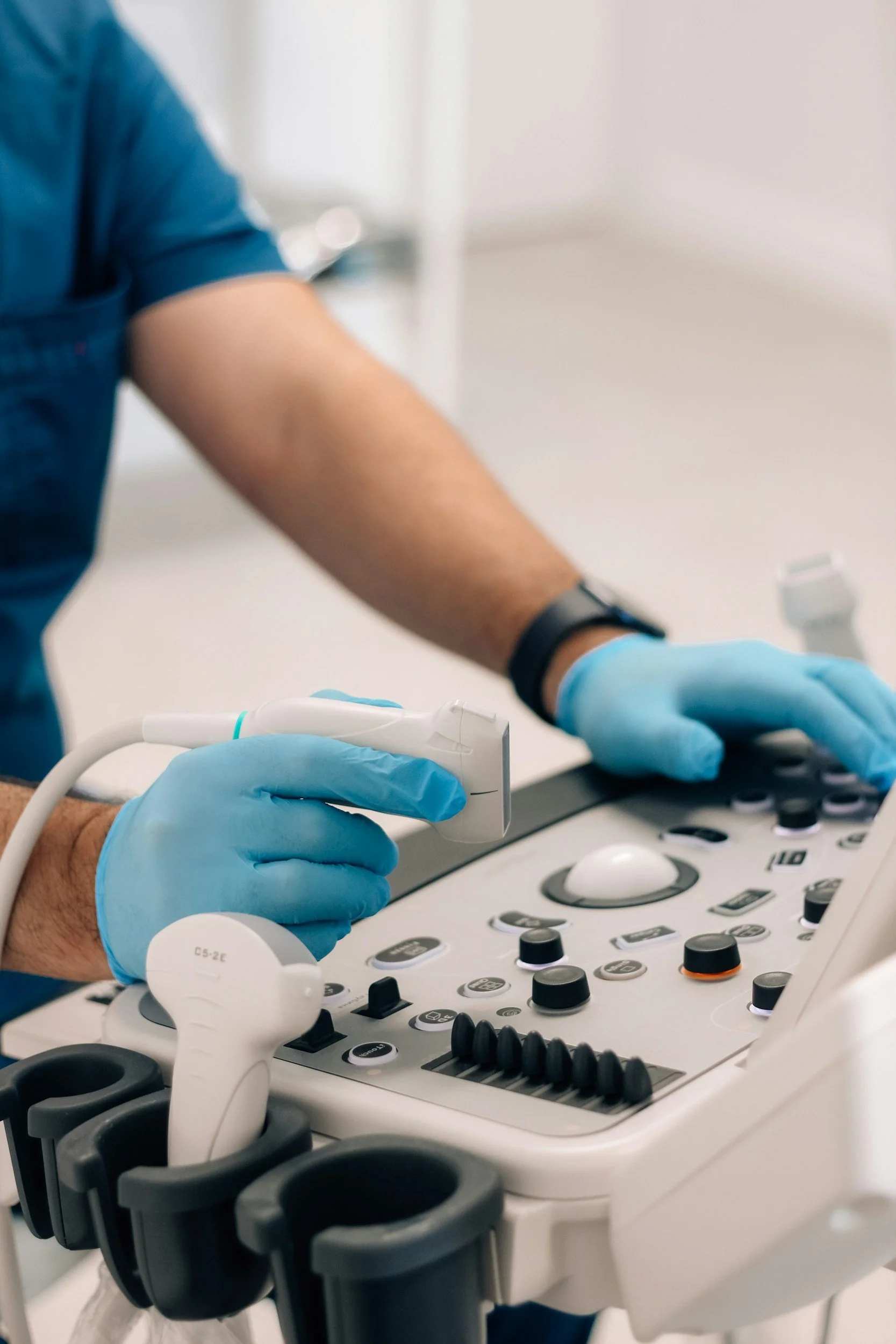
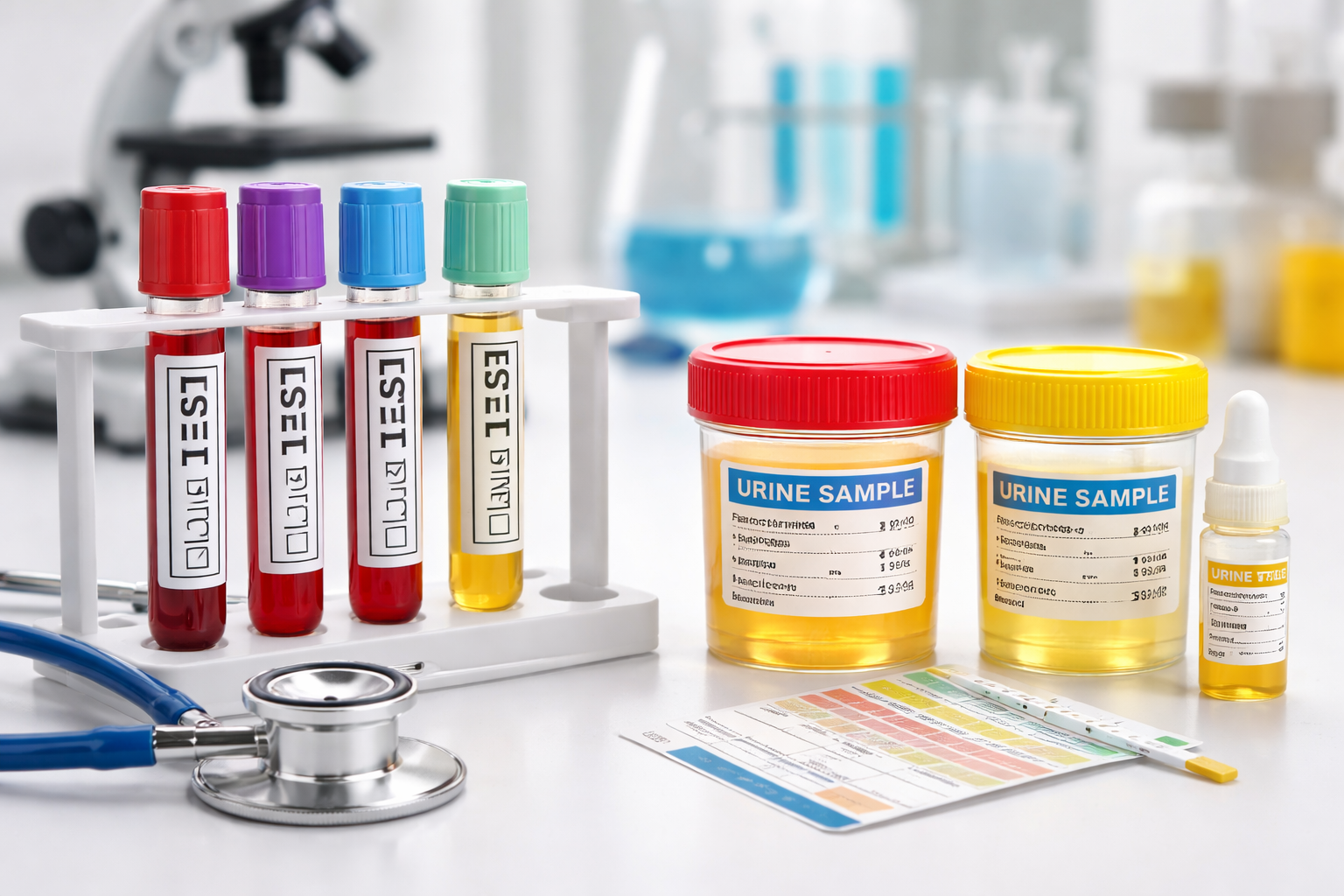
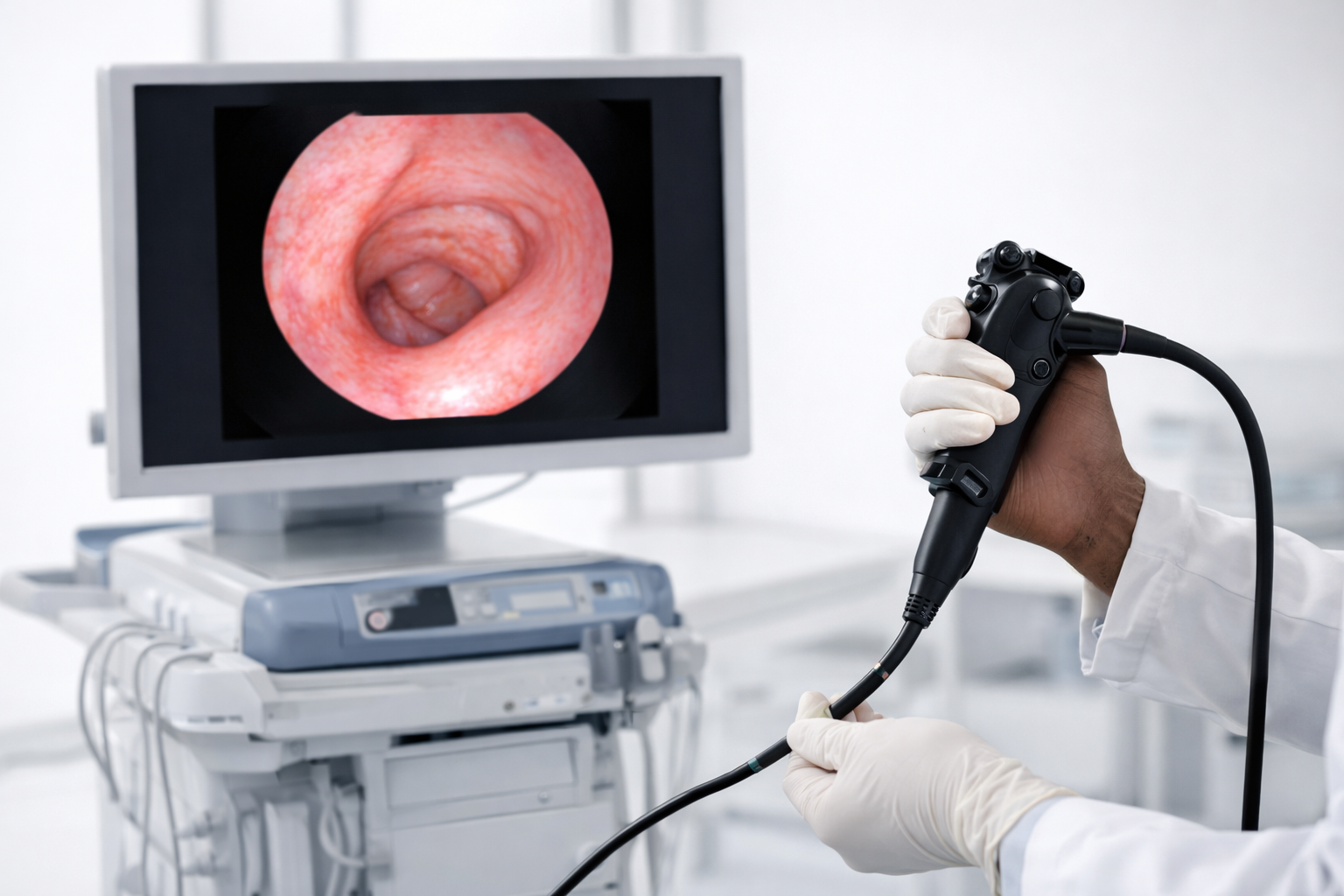
Accurate diagnosis is the foundation of appropriate treatment. I have access to and arrange the full range of modern urological investigations, each chosen based on your symptoms and clinical presentation.
Ready to book an assessment?
Same-week appointments at three London private hospitals. No GP referral required. Self-pay and all major insurers accepted.